

June 13, 2025
Can hearing aids really help with tinnitus? Are they the only option?
While modern hearing aids are not the only solution for managing tinnitus, they are a highly effective and often underappreciated tool — especially for those who also experience hearing loss.
Tinnitus, the perception of sound without an external source (often described as ringing, buzzing, or humming in the ears), can be distressing and disruptive to daily life.
Effective tinnitus management typically includes two main components:
1. Counselling
2. Sound Therapy (Amplification and Sound Stimulation)
1. Counselling: Understanding and Reducing the Distress of Tinnitus
Tinnitus counselling plays a crucial role, especially for individuals experiencing severe symptoms. Many people gradually adapt to their tinnitus over time, but for some, it significantly affects sleep, concentration, work, and emotional well-being. This can create a vicious cycle—stress worsens tinnitus, and tinnitus increases stress.
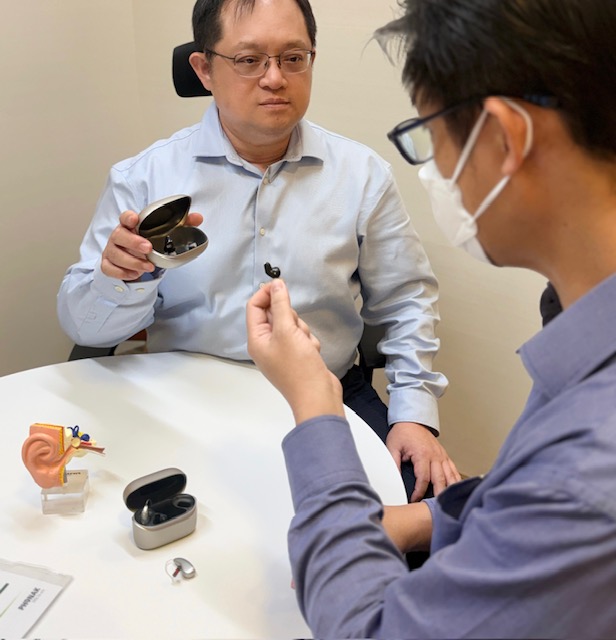
Counselling with an audiologist trained in tinnitus management helps individuals better understand their condition, reduce anxiety, and learn about effective strategies like habituation and sound therapy.
2. Sound Therapy: How Hearing Aids Fit In
Sound therapy aims to help the brain habituate—or become less sensitive—to the tinnitus sounds. One of the most effective and convenient ways to deliver sound therapy is through modern hearing aids.
For Those with Hearing Loss and Tinnitus
Since tinnitus is frequently linked to hearing loss, hearing aids are often a natural and highly effective part of treatment. Here’s why:
• Amplification of ambient sounds helps mask tinnitus and make it less noticeable.
• Modern digital hearing aids come equipped with tinnitus management features such as white noise or other relaxing masking sounds.
• Improved hearing also reduces listening effort and cognitive fatigue, which can indirectly ease the perception of tinnitus.
For Those with Tinnitus but Normal Hearing
Even individuals without hearing loss can benefit from hearing aids. Some hearing aids can be programmed as noise generators only—delivering customized masking sounds (e.g. white noise, ocean waves) without amplifying other sounds. This can help the brain achieve habituation more quickly.
Conclusion: Hearing Aids are more than Just for Hearing Loss
While counselling and sound therapy are both essential components of tinnitus management, modern hearing aids offer a powerful, dual-purpose tool: they improve hearing and support sound-based habituation. Whether you’re dealing with hearing loss or not, today’s hearing aid technology offers customizable features that make them a valuable part of your tinnitus relief strategy.
If you’re struggling with tinnitus, consult an audiologist experienced in tinnitus management to explore if hearing aids might be a helpful solution for you.