

April 30, 2026
It’s Not Just a Senior Problem: Hearing Loss in Your 40s and 50s
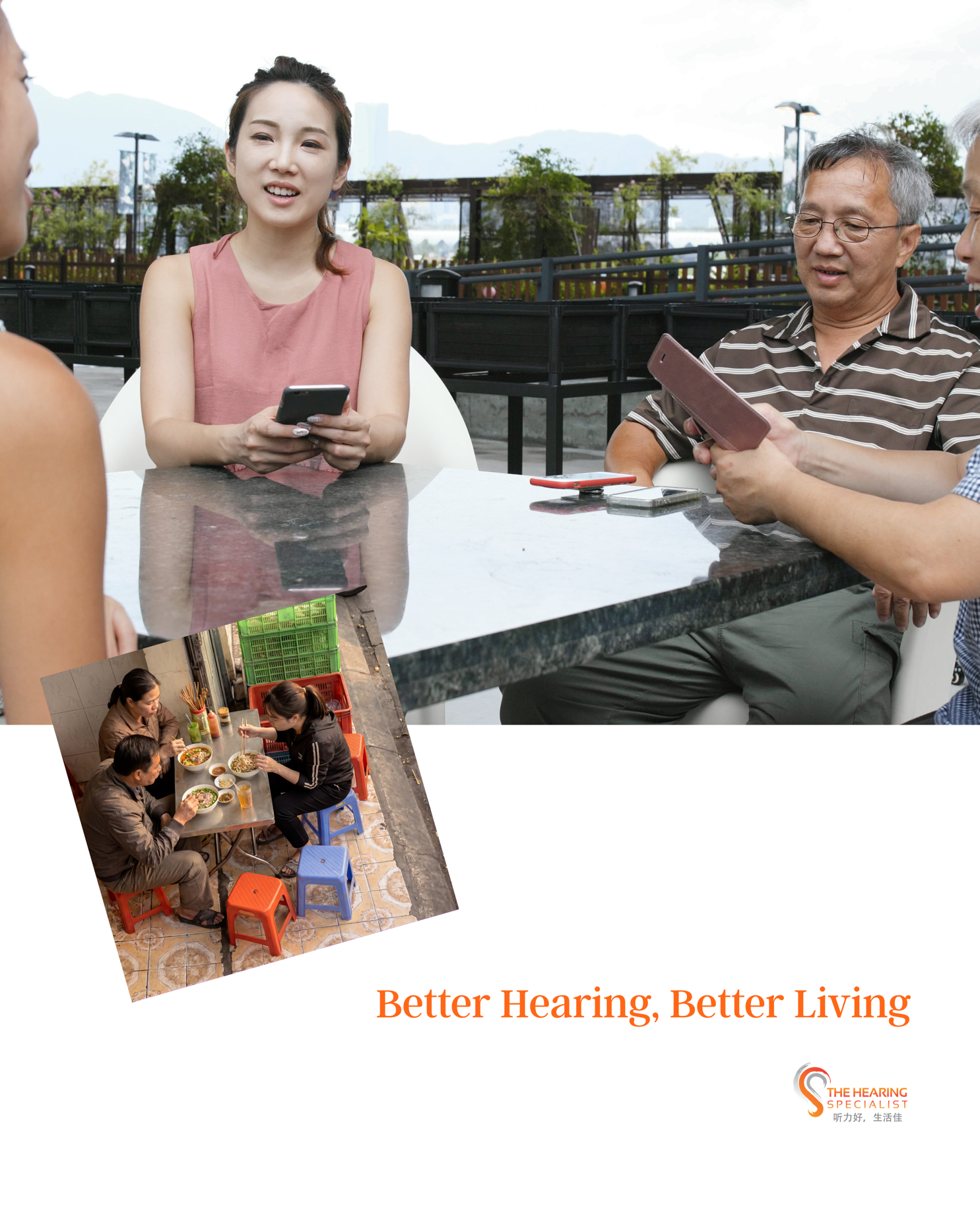
You’re in a meeting. Your colleague is presenting on the far end of the conference table. You catch most of what she says — but not all. You nod along, fill in the blanks, and hope no one notices. At the back of your mind, you knew this has exist for awhile and you start wondering why.
Sounds familiar?
If you’re in your 40s or 50s and find yourself working harder than you used to, e.g. just to follow conversations; whether in the meeting room, over the phone, or at a packed lunch with colleagues — you are not imagining it. And you are far from alone.
Hearing loss is not a condition reserved for the elderly. It can and increasingly does — affect working adults professionals in the prime of their careers. And because hearing loss develops slowly, most people don’t realise how much they have been trying to work around it until someone else points it out.
Why Hearing Loss Happens Earlier Than You Think
The most common form of hearing loss in adults is called sensorineural hearing loss — a gradual deterioration of the tiny hair cells in the inner ear that convert sound into signals for the brain. The ear picks up sounds and delivers it to the brain for processing. Once these cells are damaged, they do not regenerate i.e. the damage is irreversible.
Several factors can accelerate this process:
• Years of accumulated noise exposure — from open-plan noisy offices, working with factory machinery / construction sites, concerts and even long daily commutes
• Prolonged use of personal audio devices such as earbuds or headphones at high volumes
• Stress and cardiovascular strain, which can affect blood supply to the inner ear
• Certain medications which can be toxic to hearing
• Genetics — a family history of hearing loss means you may be more susceptible
Locally, where many professionals work long hours in high-pressure environments, these risk factors combine in ways that can quietly chip away at hearing health over a decade or more — often without the individual realising.
“I Just Thought It Was Background Noise”
This is one of the most common things we hear at our clinic.
Working adults often attribute their hearing struggles to poor acoustics, people who mumble or speak too softly, or simply being distracted, work stress or fatigue. The idea that their hearing might be declining doesn’t cross their mind — partly because they don’t feel unwell, and partly because there’s a deeply ingrained belief that hearing loss is something that only happens to older people.
What you may not be aware of is research consistently shows that many people live with undetected hearing loss for five to seven years before seeking help. By the time they do, the hearing loss has often progressed significantly — and so have the habits that develop around it and the onset of hidden or often overlooked impacts.
Signs of onset of hearing loss one often dismiss or rationalise:
• Frequently asking colleagues to repeat themselves — especially in meetings, multi-parties’ conversations
• Struggling to follow conversations when there is background noise (a café, a conference town hall, a busy corridor)
• Finding phone calls tiring or difficult — especially when the line quality isn’t perfect and phone caller’s voice tends to sound softer, far away
• Turning up the volume on the TV, computer or headphone much louder, or even switching to watching via seeing subtitles more than before
• Feeling mentally fatigued after a long day of conversations
• Mishearing words — especially numbers, names or instructions — and only noticing after several rounds of repeats
• Starting to withdraw or avoid certain situations, like large team events, networking sessions or group dinner, because they feel too overwhelming
If you recognise three or more of these signs, it is worth getting your hearing professionally checked.
The Hidden Cost at Work
Hearing loss doesn’t just affect what you hear. It affects how you perform, how you are perceived, and how you feel.
When you mishear instructions, you may make errors. When you struggle to follow a conversation, you may come across as inattentive or disengaged. When every meeting requires intense concentration just to keep up, the mental load is exhausting — a phenomenon Audiologists call ‘listening fatigue.’
Over time, this can affect your confidence. Many working adults with unaddressed hearing loss begin to withdraw — contributing less in group settings, avoiding situations where their hearing difficulty might show, and experiencing growing anxiety about being found out. Work performance is affected, misunderstandings arise, relationships become strained.
Some describe it as a kind of quiet shame. Others simply throw more energy into compensating — lip-reading without knowing it, positioning themselves carefully in meetings, avoiding the phone and choose to text instead. All of this burns energy that should be going into the work and affects one’s rest, mood.
The impact doesn’t stay at work
The person who is mentally drained from a day of strained listening often comes home quieter and less engaged. Spouses and children notice. The dinner table conversation feels like a lot more effort. Social events feel like a chore rather than a joy.
It is not a personality change — it is a hearing problem. And the good news, it can be addressed.
What’s Different About Hearing Loss in Working Adults
Adults in their 40s and 50s face a unique challenge compared to older patients. They are still very much in the thick of life — with demanding careers, active social lives, family responsibilities, and a strong sense of identity tied to their professional competence.
This means the stakes of hearing loss are high, and the reluctance to seek help is often greater. Common barriers include:
• Fear of how colleagues or clients might perceive them
• Not wanting to draw attention to a vulnerability in a competitive environment
• Simply being too busy to prioritise a hearing assessment
• Think the “perceived” hearing loss is only temporary – it will go away on its own
• “I’m too young for a hearing aid” — assumption that hearing aids are for seniors
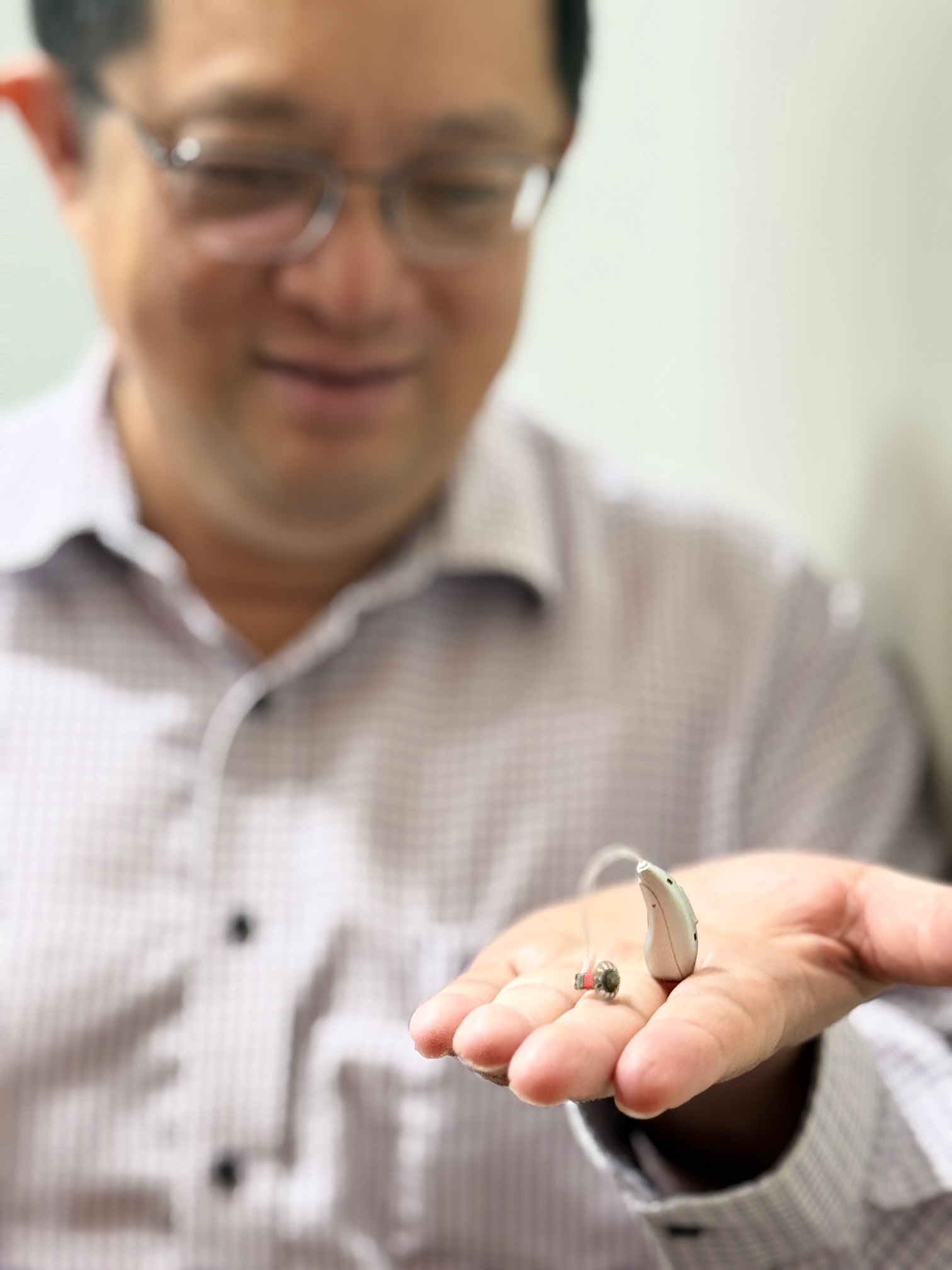
What we want these individuals to know is this: today’s hearing solutions are nothing like the bulky, whistling devices of twenty years ago. Modern hearing aids are discreet, designed for all day wearing comfort and equipped with features such as powerful noise reduction capabilities, Artificial Intelligence (AI) speech processing.
Latest hearing aids are designed to fit seamlessly into a modern hearing lifestyle. For example, the latest customised models are discreet in size that looks like stylish wireless earbuds. Many are nearly invisible, connect wirelessly to smartphones, allowing you to stream calls, meetings, and video audio directly — often making them look no different from wireless earbuds.
And the earlier you address hearing loss, the easier and more effective the intervention. A brain that has been receiving clear sound signals adapts more readily to hearing aids than one that has been struggling with distorted input for years. This reduces the stress on cognitive load processing. This brain function that governs hearing also manages other important functions like comprehension, memory and language.
What a Hearing Assessment Involves
Many have never had a formal hearing test. The process is simple, painless than what most expect.
At The Hearing Specialist, a diagnostic hearing assessment typically takes about 30 minutes and the report will be ready on the spot. You will be guided through the hearing tests in a calibrated sound-treated audiometric room. The key tests include:
• Pure tone audiometry — listening for tones at different frequencies and volumes to determine your hearing level, type and severity
• Tympanometry — a quick, painless check of how the eardrum responds to pressure
Your audiologist will then walk you through your results, explain what they mean in an easy-to-understand manner and correlate it to the daily hearing difficulties you been facing. They will also discuss whether any intervention is recommended such as follow up consultation/procedure with Specialist or evaluate hearing aid solutions. Many people find that having an up to date, accurate picture of their hearing profile brings significant peace of mind.
Taking the First Step
If you have been reading this and recognising yourself — or someone you care about — the most important thing to know is that hearing loss is manageable. The sooner it is identified, the better the outcomes.
You do not have to wait until you are struggling significantly. A baseline hearing assessment in your 40s is an investment in your long-term health. And if hearing loss is detected early, today’s solutions can support your hearing lifestyle so well and most people around you will never know.
What they will notice is that you seem more present. More engaged. More like yourself. Better hearing, better living
__________________________________________________________________
📞 Schedule your hearing assessment at The Hearing Specialist
Orchard · Parkway East · Mount Alvernia
Call +65 6346 0858 or WhatsApp: 9634 2369 | info@thehearingspecialist.com.sg