

May 15, 2024
The big question that researchers have been asking is whether treating hearing loss can slow down cognitive decline or reduces the risk of developing dementia in the long term. The good news is a latest large-scale study showed that older adults with a higher risk of dementia and who use hearing aids may be able to reduce their risk of cognitive decline by almost 50 percent.
The ACHIEVE study, led by Dr Frank Lin of Johns Hopkins University and published in the Lancet Journal in July 2023, shows that hearing rehabilitation reduced the rate of cognitive decline in older patients at risk of it by almost 50% (48%) over the 3-year study. This is a strong indication that treating hearing loss with hearing aids helps and may be a safe way to lower the risk of developing dementia among the vulnerable population (Those considered at high risk for dementia were older and had lower cognitive scores, among other factors).
Depression, anxiety and social isolation that come with hearing loss are all risk factors for dementia. The other important takeaway is evidence is also building that hearing loss may be the most impactful modifiable risk factor for dementia.
Hearing well is related to overall mental wellbeing, not just hearing health.
Now that we know improving one’s hearing ability help reduce the rate of cognitive decline, lower dementia risk and help us lead desired lifestyles, the next question is, how do we encourage more hearing challenged individuals to come forward for hearing intervention? Because hearing loss happens gradually, these individuals get used to hearing less sounds and do not realise the sense of urgency to get treated before other more serious health impacts arise.
Importance of early intervention
From our decades of clinical experiences, many hearing-impaired individuals came to our clinic to look for help only when their hearing loss created big problems in daily lives. Studies have shown many can wait for 7 to 10 years before seeking help. The hearing loss may worsen which affects quality of lives, the benefits derived from hearing aids are more limited while cognitive decline continues in the background.
We know early hearing aid intervention bring about many benefits, and we now know from the studies that wearing hearing aids help to reduce the rate of cognitive decline/dementia risk. It is always true when you undertake hearing aid intervention at the early stages of hearing loss, you can reap more benefits and hear much better from engaging in conversations and resuming social activities again for better quality of lives and happier bonding & relationships.
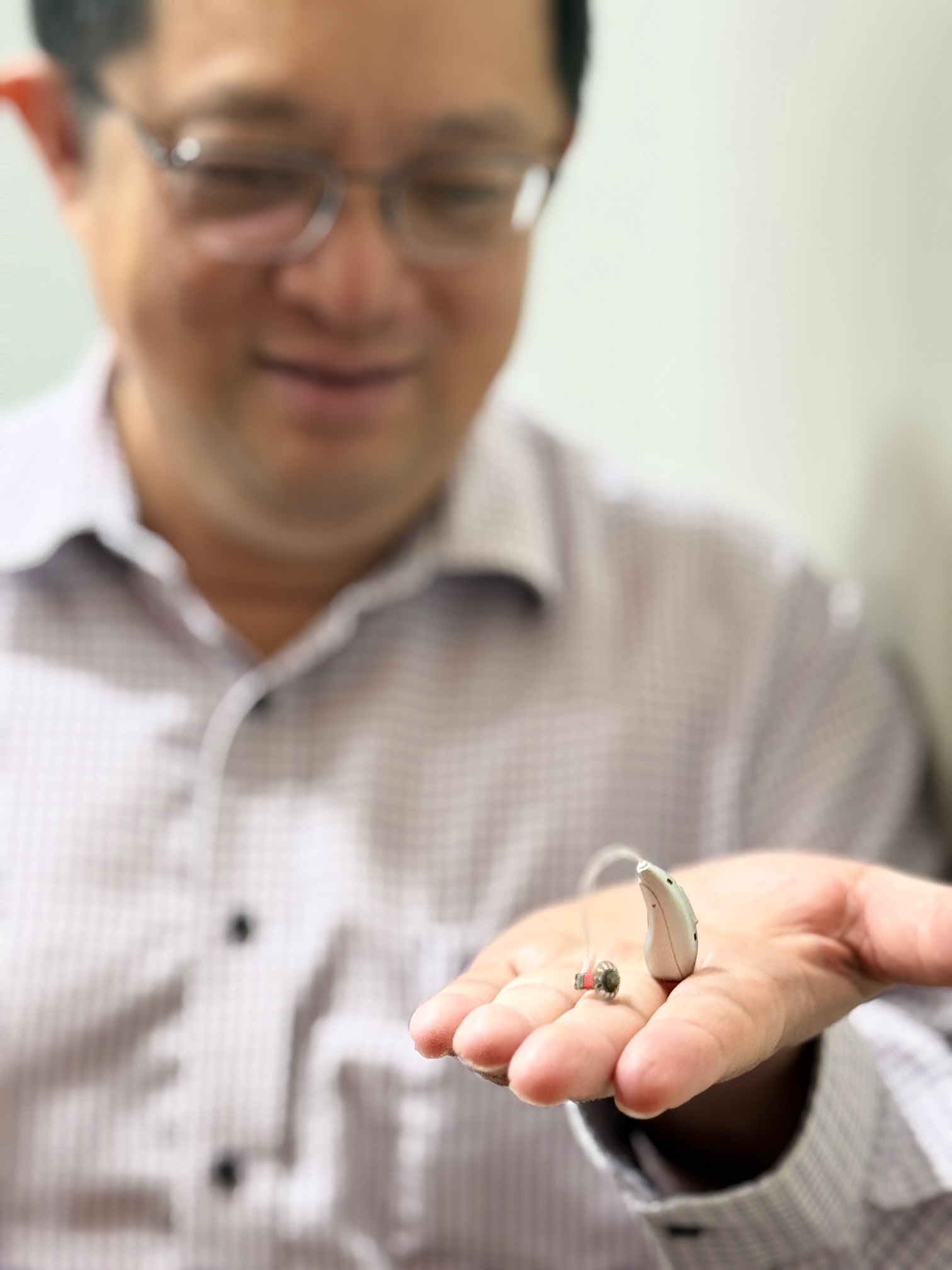
Many hearing-impaired individuals are hesitant about using hearing aids because they think the aids are bulky, noisy and not comfortable. Properly selected and adjusted hearing aids by Audiologist will put these concerns at rest.
Stronger noise reduction, speech clarity, rechargeability among other are desired enhancements, designed with the end user in mind. They not only make it easy, effective, it also helps them regain confidence and re-engage in daily social and favourite activities again.
Audiologist’s counseling & support for successful hearing outcome
Our first recommendation is to get them to get their hearing checked. Experienced Audiologists can help to check for hearing loss, help them understand and accept hearing loss as well as accepting and adopting suitable hearing aid solutions.
At our clinic, we design customised rehabilitation program for each user to help them adapt, get used to using and managing hearing aids with ease. We are not talking about just about getting a hearing aid, it is about getting a hearing aid solution that is both easy to use and effective.
Once they get used to using, they will wear them for longer periods and this helps them hear better, be more confident and engage in social activities again. Both the individual and their loved ones can improve the quality of their lives.