

July 30, 2026
Many people still view hearing aids through the lens of the past.
They assume hearing aids are only meant for people with “very serious” hearing loss or those who are almost completely unable to hear. Others worry that hearing aids will look bulky, obvious, or make them appear old.
But modern hearing care has evolved tremendously.
Today, the focus is no longer just about “hearing louder.”
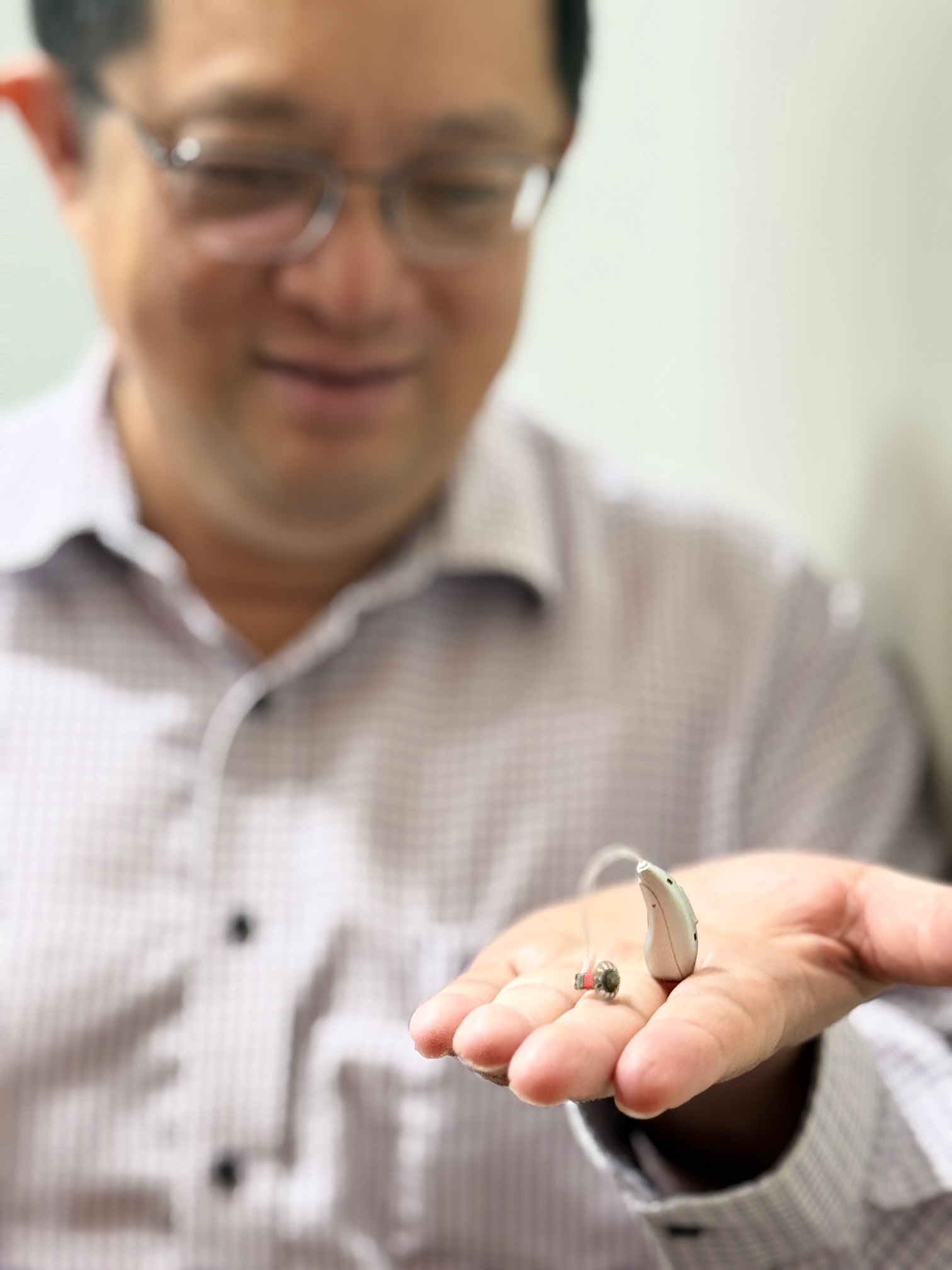
It is increasingly about reducing the long-term mental strain of listening, preserving communication ability, and maintaining overall quality of life through earlier intervention. At the same time, modern hearing aids have also become far smaller, more discreet, and significantly more advanced than most people realise.
The following myth is among the most common misconceptions people still have about hearing aids today.
Myth: “Hearing aids are only for severe hearing loss.”
Many people wait far too long before seeking help because they feel their hearing is “still manageable” or “not serious enough yet.” But hearing care is often most beneficial when intervention happens earlier — before hearing loss becomes more severe.
This is because hearing is not just about the ears. It is also about how the brain processes and interprets sound.
When hearing loss develops gradually over time, the brain receives less complete sound information. The longer this continues untreated, the more the brain adapts to “hearing less.”
Over time, speech clarity, sound recognition, listening confidence, and communication ability may become increasingly difficult to maintain.
Earlier intervention is often associated with better outcomes because:
– the brain is still more accustomed to processing sound naturally
– adaptation to hearing aids is usually smoother and easier
– speech clarity may be easier to preserve
– listening fatigue may be reduced earlier
– communication habits and social confidence can be maintained better
– quality of life may be preserved more effectively
A simple analogy is language learning.
For many people, learning a third language in their 20s or 30s is often easier compared to learning it in their 60s or 70s. The brain’s learning flexibility, processing speed, and adaptability matter.
Hearing works similarly.
When the brain continues receiving clearer and more complete sound input earlier, it is often easier for the auditory system to adapt and respond effectively. This is why waiting until hearing loss becomes “very bad” may sometimes make adjustment harder — not because hearing aids are less effective, but because the brain has spent many years adapting to reduced sound input.
Most importantly, hearing care is not only about “hearing louder.”
It is about:
– reducing the mental effort of listening
– preserving communication ability
– staying socially connected
– reducing cognitive strain and listening exhaustion
– maintaining overall quality of life
Very often, the earlier the intervention and the milder the hearing loss, the better the long-term listening experience and overall outcome can be.