

June 21, 2025
An Audiologist’s Perspective for Families and Loved Ones
When someone struggles to hear, we often blame the ears. But the real picture is more complex.
As we age, it is not only our hearing that may decline—but also our brain’s ability to process sound. This lesser-known issue, called cognitive overload or decline in cognitive processing, is often mistaken for “just hearing loss.” In reality, the two are deeply intertwined.
___________
“My children repeatedly tell me I don’t respond to them…”
“I want to hear so badly, but the background noise makes it difficult and uncomfortable…”
These are not just signs of failing ears—they can also be signs that the brain is overwhelmed, working too hard to make sense of sounds in a noisy world. Communication, relationship, confidence issues emerge…
___________
The Brain Works Harder When Hearing Declines
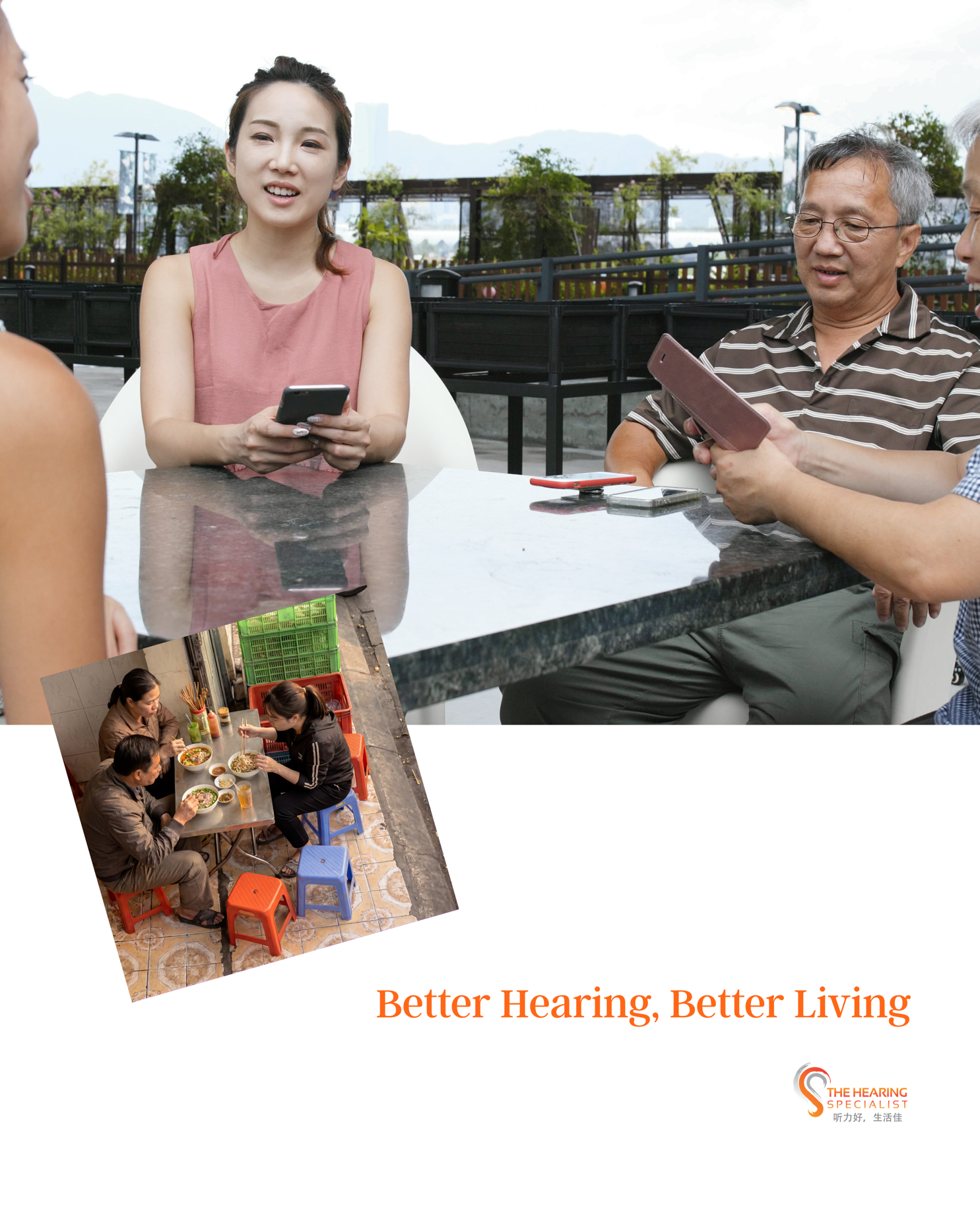
Noisy environments like coffee shops, markets, or even family gatherings can become overwhelming for those with hearing loss. But it’s not just about volume. The brain struggles to filter and process speech from background noise. Clarity is more important than volume.
Even with hearing aids, some older adults still feel frustrated and fatigued in noisy situations. This is not their imagination at work. Their brain is doing extra work and rediverts resources (for other cognitive functions like memory, comprehension) to decode distorted or incomplete sounds—leading to listening fatigue, slow response times, or even withdrawal from conversations, social activities.
In many cases, loved ones assume the senior is ignoring them, distracted, or confused. But what’s really happening is cognitive overload—the brain is too taxed to keep up.
Understanding the Dual Challenges: Hearing Loss and Cognitive Decline
When a person doesn’t respond when called or seems lost in conversation, the issue might not be hearing loss alone. It could also be a sign of slower cognitive processing.
This is why treating hearing loss isn’t just about restoring sound—it’s about reducing the mental strain on the brain.
By addressing hearing difficulties early, we also help reduce the risk of cognitive overload and long-term cognitive decline. Audiological care should be viewed as part of a whole-brain, whole-person approach to aging well.
AI in Modern Hearing Aids: Smarter, Kinder to the Brain
Fortunately, today’s hearing technology has evolved to meet this challenge.
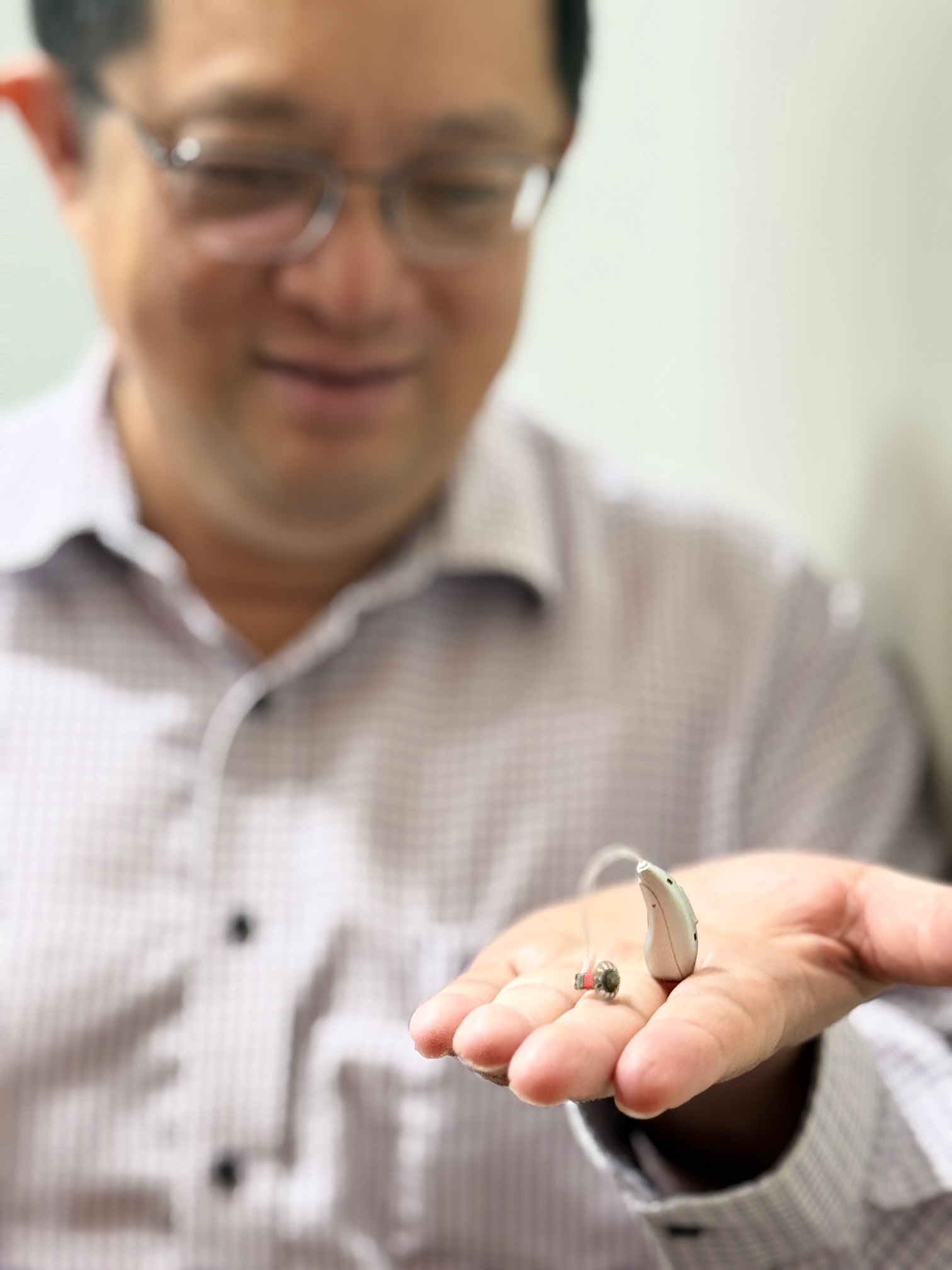
“Artificial Intelligence (AI) with deep neural network (DNN) is now being applied to modern hearing aids,” explains Mr. Tan Boon Hai, Principal Audiologist at The Hearing Specialist Group. “This new AI and de-noising features are a game changer in transforming the noise reduction process.
The AI doesn’t just amplify everything— it addresses the de-noising task or noise reduction process directly by differentiating between wanted (speech) and unwanted sounds (noise) and removing the latter with precision.
This means clearer conversations, less cognitively taxing, and improved confidence and listening comfort in dynamic environments.
Don’t Wait—Take the First Step
If you’ve noticed signs of withdrawal, slower response, or listening fatigue in a loved one, it’s time to act. Encourage them to get their hearing assessed by a professional Audiologist.
Today’s advanced hearing solutions do far more than just help people hear, it’s life changing – they can ease the load on the brain, improve social connection with grandchildren, family and friends, facilitate independent lifestyle and protect long-term mental function.
www.thehearingspecialist.com.sg
hotline 6346 0858