

June 27, 2025
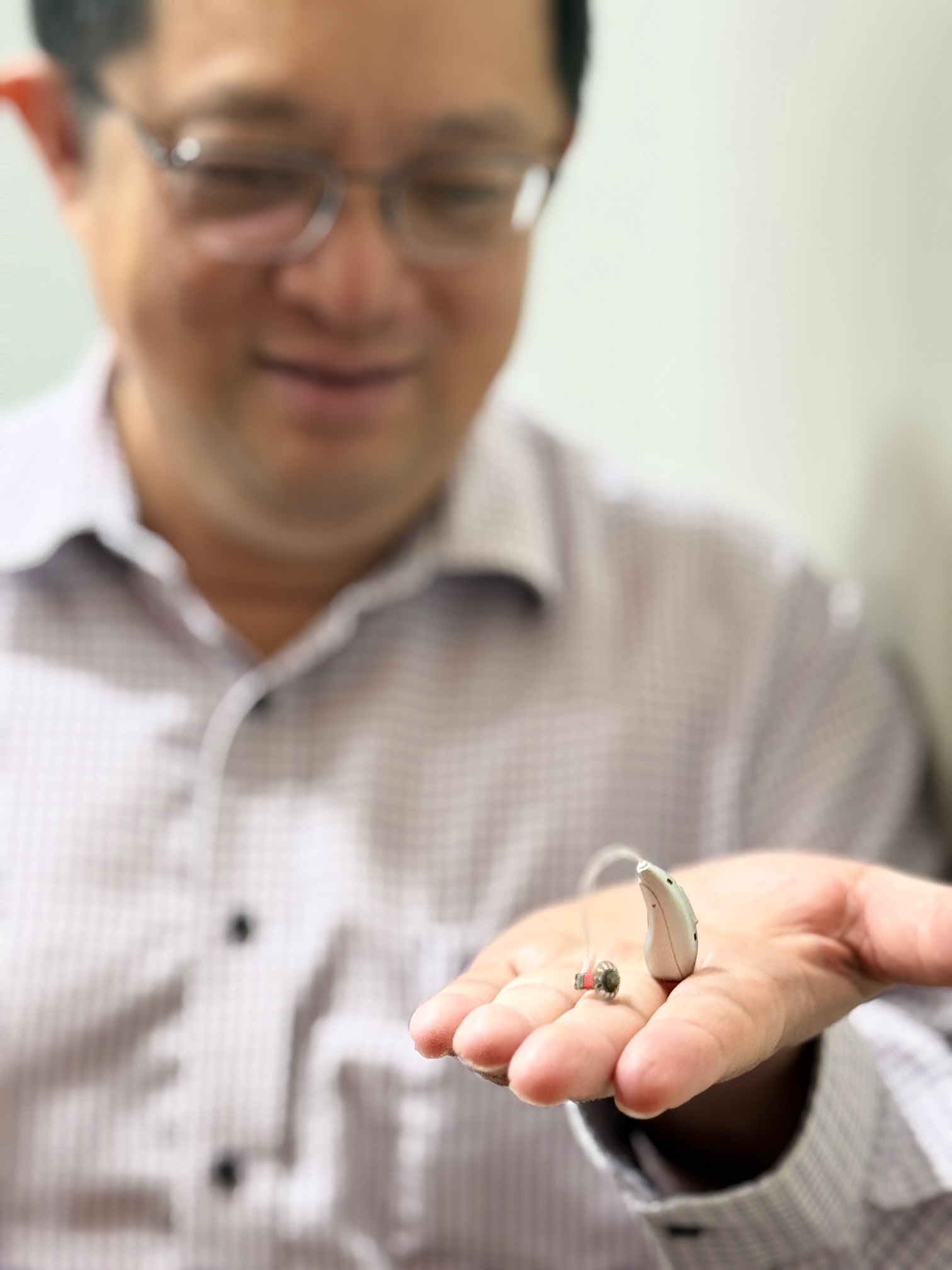
“Our ears hear sounds, but it is our brain that processes and understands them,” explains Mr. Tan Boon Hai, Principal Audiologist at The Hearing Specialist Group.
That’s why managing hearing loss effectively requires addressing both the ears and the brain.
The brain regions responsible for processing sound also play key roles in memory, language, and comprehension. When hearing becomes difficult, the brain must work overtime to fill in the blanks—guessing what was said based on context, lip movements, or fragmented sounds. This intense mental effort creates what we call increased cognitive load.
Over time, this effort can become mentally and emotionally exhausting.
In an aging society like Singapore, early hearing checks and intervention are not just helpful—they’re necessary. With modern, user-friendly technology and proper guidance, hearing aids are now both effective and empowering.
What many people don’t realise is that our seniors often try very hard to keep up with conversations—especially with their children and grandchildren — because they care. They strain to hear every word, smile even when they’re unsure what was said, and try to “play along” in group settings. But behind that quiet nod or distant look is often deep fatigue and silent frustration.
Imagine trying to solve a puzzle all day long—every sentence you hear is incomplete, every word muffled. That’s the reality of living with untreated hearing loss. And eventually, even the most determined parent or grandparent may choose to withdraw—not because they don’t want to talk to you, but because the effort it takes just to understand can be overwhelming.
This mental strain also affects other brain functions—like memory, focus, and emotional regulation—making aging even more challenging. Over time, feelings of inadequacy, anxiety, or even depression may surface.
Why Family Support Matters
We share this not to alarm you, but to help families understand: hearing loss is not just about the ears. It’s a whole-person challenge that affects how we connect, think, feel and above all, how we relate to the people we love.
For example, when you call out to your elderly parent from another room and they don’t respond, it’s easy to assume they’re ignoring you. But in reality:
• They may not have heard you clearly,
• Their brain may be working overtime to register and interpret your voice,
• Or, they may be struggling to make sense of it amidst background noise or distraction.
They want to hear you. They are trying to. But without the right support, it’s simply too hard. This is why empathy, patience, and small changes in how we communicate—like facing them when speaking, reducing background noise, or speaking slightly slower—can make a world of difference.
If you suspect hearing loss in your loved one, or notice signs of fatigue, confusion, or social withdrawal, don’t wait. Encourage your parent to have their hearing checked. Better yet, offer to accompany them. That simple gesture shows that you see their effort—and that you care enough to make things easier. Today’s hearing solutions are discreet, powerful, and far more advanced than ever before.
Because in the end, treating hearing loss isn’t just about restoring sound. It’s about restoring joy, dignity, confidence—and the shared moments that truly matter.