

August 21, 2025
Don’t wait to hear again: protect the mind through the ears
A study by Johns Hopkins University in the U.S. found that timely hearing intervention can reduce the risk of cognitive decline in older adults by nearly 50%. Early adoption of hearing aid solutions not only improves hearing but also protects brain function and helps individuals stay socially connected.
Mr. Tan Boon Hai, Principal Audiologist at The Hearing Specialist clinic, explained that age-related hearing loss typically worsens gradually. Many seniors unknowingly try to adapt or manage around their declining hearing. On average, individuals wait about 7 to 10 years; until their condition becomes severe, before seeking professional help.
During this period, communication with loved ones becomes increasingly difficult. Feelings of loneliness and health risks grow. Some individuals may also experience depression, anxiety, or even dementia. Delaying treatment not only reduces the potential benefits of hearing aids but may also lead to further cognitive decline.
Mr. Tan Boon Hai explained that cognitive ability depends on the brain’s cognitive processing — the mental processes involved in receiving, organizing, storing, and using information. As we age, our cognitive speed and memory naturally decline. When hearing is impaired, it places extra stress on these brain functions. Studies show that seniors with untreated hearing loss experience cognitive decline 30% to 40% faster than those with normal hearing. Untreated hearing loss not only affects communication but also accelerates brain aging and cognitive deterioration.
He added:
“The ears detect sound, but the brain is what understands it. That’s why addressing hearing loss effectively requires a dual focus on both the ears and the brain. Early hearing tests and timely intervention are essential.”
Hearing intervention is not just about hearing better — it’s about preserving brain function and ensuring dignity and quality of life in one’s later years.
Hearing loss also impacts confidence and a sense of belonging. Family support plays a role as important as hearing aids themselves.
Mr. Tan emphasized that if a senior in the family becomes more withdrawn, struggles to keep up in conversations, or constantly turns the TV volume higher than usual, family members should encourage and accompany them for a hearing test without delay. Modern hearing aids can resolve hearing difficulties and restore the joy of hearing and living — a quality of life that every senior deserves.
Modern Hearing Aids Offer Advanced Features
Mr. Tan noted that through many patient cases, he found that seniors wish their families would understand that they need time to process what they hear before responding, even with hearing aids on.
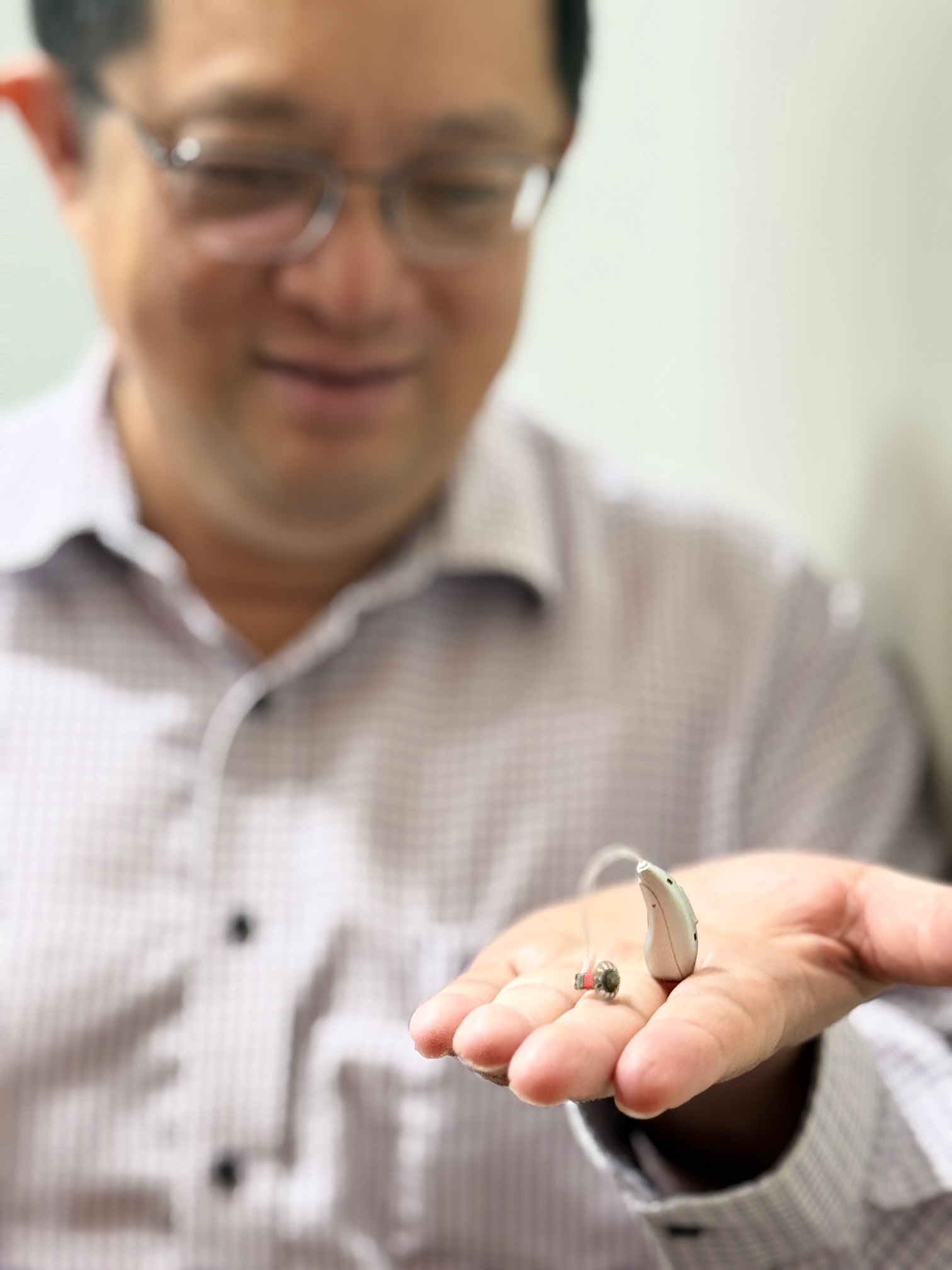
Many elderly individuals hesitate to use hearing aids due to outdated misconceptions, such as loud background noise or discomfort. In reality, modern hearing aids offer advanced technology and comfort, helping patients hear more clearly.
Features include:
• AI-powered speech separation and 360° noise reduction, improving speech clarity
• Compact, safe, and rechargeable designs
• Bluetooth connectivity to phones and televisions
• Greater comfort and usability compared to traditional devices
With the right hearing aid and professional guidance, these devices not only improve hearing — they also transform seniors’ lifestyles.